
Introduction
Fashion plays an important role in helping women express their personality, confidence, and sense of style. Among all fashion choices, dresses remain one of the most versatile and timeless options. Whether you are preparing for a casual outing, an office meeting, a wedding celebration, or a special evening event, choosing the right dress can instantly elevate your appearance.
Women’s dress ideas continue to evolve with changing trends, seasons, and personal preferences. From elegant maxi dresses and chic midi styles to trendy shirt dresses and sophisticated evening gowns, there are countless options available for every body type and occasion. The key is understanding how different dress styles work and selecting the ones that complement your lifestyle.
Many women struggle with deciding what dress to wear for specific events. Fortunately, a few simple guidelines can make the process much easier. By considering factors such as comfort, occasion, color, fabric, and accessories, anyone can create stunning outfits without feeling overwhelmed.
This guide explores various women’s dress ideas, their importance, styling tips, benefits, common mistakes, and expert recommendations. Whether you are a beginner exploring fashion or someone looking to refresh your wardrobe, these ideas can help you create stylish and confident looks throughout the year.
What is Women’s Dress Ideas?
Women’s dress ideas refer to fashion inspirations, outfit suggestions, and styling concepts that help women choose suitable dresses for different occasions, seasons, and personal preferences.
These ideas may include:
- Casual everyday dresses
- Formal event dresses
- Office and business dresses
- Party dresses
- Summer dresses
- Winter dresses
- Wedding guest dresses
- Vacation dresses
The purpose of women’s dress ideas is to provide guidance that makes dressing easier and more fashionable. Instead of randomly selecting outfits, women can use proven styling concepts to create balanced and attractive looks.
Fashion inspiration can come from current trends, personal creativity, seasonal collections, celebrity styles, and classic wardrobe essentials.
Why is Women’s Dress Ideas Important?
Choosing the right dress is about more than appearance. It influences comfort, confidence, and the impression you leave on others.
Women’s dress ideas are important because they help:
- Improve personal style
- Save shopping time
- Increase confidence
- Create occasion-appropriate outfits
- Enhance comfort throughout the day
- Build a versatile wardrobe
- Reduce unnecessary fashion purchases
For example, a well-fitted wrap dress can be suitable for work meetings, dinner dates, and semi-formal gatherings simply by changing accessories. Understanding these possibilities helps maximize wardrobe value.
Fashion planning also prevents common styling mistakes and encourages smarter purchasing decisions.
Detailed Step-by-Step Guide
Step 1: Understand the Occasion
The first step is identifying where you plan to wear the dress.
Different occasions require different dress styles:
- Casual outings
- Office environments
- Weddings
- Parties
- Formal dinners
- Vacation trips
A casual sundress may be perfect for a brunch gathering, while a cocktail dress works better for an evening celebration.
Step 2: Choose the Right Dress Length
Dress length significantly affects the overall look.
Mini Dresses
Mini dresses create youthful and energetic outfits. They are ideal for casual events, parties, and warm weather.
Midi Dresses
Midi dresses provide balance between elegance and practicality. They work well for work environments, dinners, and social gatherings.
Maxi Dresses
Maxi dresses offer comfort and sophistication. They are popular for vacations, beach events, weddings, and formal occasions.
Step 3: Select Suitable Fabrics
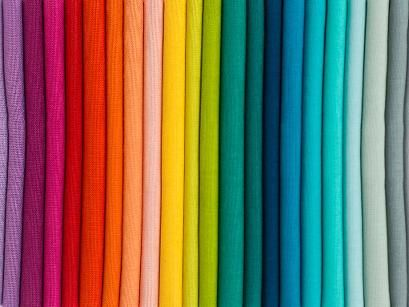
Fabric choice affects both appearance and comfort.
Popular options include:
- Cotton for everyday wear
- Linen for summer comfort
- Satin for formal elegance
- Chiffon for soft feminine looks
- Velvet for winter occasions
- Knit fabrics for colder seasons
Choosing season-appropriate fabrics helps maintain comfort throughout the day.
Step 4: Consider Your Body Shape
Understanding body shape helps identify flattering dress styles.
Hourglass Shape
Wrap dresses and fitted dresses highlight natural proportions beautifully.
Pear Shape
A-line dresses create balance by drawing attention upward.
Apple Shape
Empire waist dresses help create a flattering silhouette.
Rectangle Shape
Belted dresses add shape and dimension.
Step 5: Pick Complementary Colors
Color selection influences the overall impact of an outfit.
Popular choices include:
- Black for timeless elegance
- Navy for sophistication
- White for fresh looks
- Red for confidence
- Pastels for soft feminine styles
- Earth tones for versatile fashion
Neutral colors typically offer greater versatility and easier styling.
Step 6: Accessorize Thoughtfully
Accessories complete the outfit.
Consider adding:
- Statement necklaces
- Elegant earrings
- Handbags
- Belts
- Watches
- Scarves
- Stylish footwear
Avoid over-accessorizing. Focus on creating balance rather than overwhelming the outfit.
Step 7: Dress According to the Season
Seasonal dressing improves both comfort and style.
Spring
Choose floral prints and lightweight fabrics.
Summer
Opt for breathable cotton and linen dresses.
Autumn
Select earthy tones and layered outfits.
Winter
Wear knit dresses, boots, and stylish coats for warmth.
Step 8: Build a Versatile Dress Collection
Every wardrobe benefits from several essential dress styles.
Recommended options include:
- Little black dress
- Casual day dress
- Wrap dress
- Midi dress
- Maxi dress
- Formal evening dress
- Work dress
Having these basics ensures readiness for almost any occasion.
Benefits of Women’s Dress Ideas
Women’s dress ideas provide numerous advantages:
- Improve fashion confidence
- Simplify daily outfit decisions
- Save shopping expenses
- Enhance personal appearance
- Increase wardrobe versatility
- Encourage creativity in styling
- Help create occasion-appropriate looks
- Support better fashion planning
- Reduce outfit stress
- Improve overall comfort
These benefits make fashion choices more enjoyable and practical.
Disadvantages / Risks
While fashion inspiration is valuable, certain risks should be considered.
- Following trends blindly may not suit personal style
- Overspending on temporary trends
- Choosing appearance over comfort
- Ignoring body type considerations
- Purchasing low-quality dresses
- Copying styles without personalization
- Creating overcrowded wardrobes
Awareness of these risks helps maintain a balanced and functional wardrobe.
Common Mistakes to Avoid
Many women unknowingly make styling mistakes that affect their overall appearance.
One common mistake is choosing dresses solely because they are trendy. Fashion trends change frequently, but personal style should remain the priority.
Another mistake involves ignoring proper fit. Even an expensive dress can look unflattering if it does not fit correctly.
Wearing inappropriate dresses for specific occasions can also create discomfort. Always consider the event’s dress code before selecting an outfit.
Many women overlook fabric quality. Poor-quality fabrics often lose shape quickly and reduce the lifespan of the dress.
Over-accessorizing is another frequent issue. Too many accessories can distract from the dress itself and create a cluttered appearance.
Neglecting footwear coordination can weaken an otherwise attractive outfit. Shoes should complement the overall style rather than compete with it.
Finally, purchasing dresses without considering existing wardrobe pieces often leads to unused items and wasted money.
FAQs
1. What dress style is most versatile for women?
The wrap dress is widely considered one of the most versatile options because it suits many body types and occasions.
2. How many dresses should a woman have in her wardrobe?
The number varies depending on lifestyle. However, having seven to ten versatile dresses provides enough variety for most occasions.
3. Which dress colors are easiest to style?
Black, navy, beige, white, and gray are among the easiest colors to style because they pair well with numerous accessories.
4. What dress length is best for formal events?
Midi and maxi dresses are generally preferred for formal occasions because they create an elegant and sophisticated appearance.
5. How can I choose a dress that flatters my body shape?
Identify your body shape first and select silhouettes designed to highlight your strongest features while creating balance.
6. Are trendy dresses better than classic dresses?
Classic dresses usually offer greater long-term value because they remain stylish for many years, while trends often change quickly.
7. What fabrics are best for summer dresses?
Cotton, linen, and lightweight rayon fabrics are excellent choices because they provide breathability and comfort in warm weather.
8. How do accessories improve a dress outfit?
Accessories add personality, enhance visual interest, and help transform a simple dress into a polished and complete look.
Expert Tips & Bonus Points
Fashion experts recommend focusing on quality rather than quantity. A few well-made dresses often provide greater value than numerous low-quality options.
Always try dresses in natural lighting when possible. Lighting can significantly affect how colors appear.
Invest in proper undergarments because they influence how a dress fits and looks.
Consider tailoring for a perfect fit. Small adjustments can dramatically improve appearance.
Keep a neutral-colored dress available for unexpected events. Neutral shades are adaptable and easy to style quickly.
Experiment with layering by adding jackets, blazers, cardigans, or scarves. This approach extends wardrobe versatility and creates fresh outfit combinations.
Use accessories strategically to transform dresses for different occasions. A simple dress can look casual during the day and elegant in the evening with a few changes.
Pay attention to fabric care instructions. Proper maintenance helps dresses retain their appearance for longer periods.
Build a wardrobe gradually rather than purchasing everything at once. Thoughtful shopping leads to better long-term satisfaction.
Most importantly, wear dresses that make you feel confident and comfortable. Personal confidence often has a greater impact than any fashion trend.
Conclusion
Women’s dress ideas provide valuable inspiration for building a stylish, practical, and versatile wardrobe. With countless options available, understanding dress styles, fabrics, colors, and occasions can make fashion choices much easier and more effective. The right dress not only enhances appearance but also boosts confidence and comfort throughout the day.
Successful styling begins with understanding your personal preferences and body shape. Rather than following every trend, focus on selecting dresses that align with your lifestyle and individual taste. Classic pieces, quality fabrics, and thoughtful accessories often create the most lasting impact.
By considering occasion requirements, seasonal needs, and wardrobe versatility, women can make smarter fashion decisions and maximize the value of every purchase. Avoiding common mistakes such as poor fit, excessive trend chasing, and over-accessorizing further improves overall style results.
Fashion should be enjoyable rather than stressful. Women’s dress ideas serve as a practical guide for creating attractive outfits while expressing personality and confidence. Whether you prefer casual simplicity, professional elegance, or glamorous evening looks, the right dress can help you feel prepared for any occasion.
As fashion continues to evolve, timeless principles such as comfort, fit, quality, and confidence remain essential. By applying the strategies and tips discussed in this guide, you can build a wardrobe filled with dresses that look beautiful, feel comfortable, and suit a wide variety of situations throughout the year.