
\
Introduction
Fashion is constantly evolving, and modern fashion styles reflect the changing preferences, lifestyles, and values of people around the world. Today, fashion is not just about following trends. It is also about expressing personality, confidence, and individuality through clothing choices. Whether someone prefers a minimalist look, streetwear, smart casual outfits, or luxury-inspired pieces, modern fashion offers endless opportunities to create a unique style.
For beginners, understanding modern fashion styles can seem overwhelming because of the wide variety of trends available. Social media, fashion influencers, and global brands introduce new ideas every season, making it difficult to know where to start. However, building a fashionable wardrobe does not require expensive clothing or expert knowledge. It simply requires an understanding of basic style principles and the ability to choose outfits that suit your personality and lifestyle.
Modern fashion styles focus on comfort, versatility, and self-expression. Unlike traditional fashion rules that were often strict, today’s approach encourages creativity and experimentation. People can mix classic items with contemporary trends to create fresh and appealing looks.
This guide explores everything you need to know about modern fashion styles, including their importance, how to adopt them, their advantages and disadvantages, common mistakes, expert tips, and answers to frequently asked questions. By the end, you will have a clear understanding of how to create stylish outfits that enhance your appearance and confidence.
What is Modern Fashion Styles?
Modern fashion styles refer to contemporary clothing trends and styling approaches that reflect current cultural, social, and lifestyle influences. These styles combine comfort, functionality, and aesthetics to create fashionable looks suitable for today’s world.
Unlike fashion trends from previous decades, modern fashion styles are highly diverse. They allow individuals to express themselves through different clothing combinations, colors, fabrics, and accessories.
Common examples of modern fashion styles include:
- Minimalist fashion
- Streetwear
- Smart casual style
- Athleisure
- Business casual fashion
- Sustainable fashion
- Luxury casual style
- Oversized clothing trends
Modern fashion is less about strict rules and more about creating a look that feels authentic and comfortable.
Why is Modern Fashion Styles Important?
Fashion influences how people perceive themselves and how others view them. Modern fashion styles play an important role in personal branding, confidence building, and social interactions.
Here are some reasons why modern fashion matters:
- Creates a positive first impression
- Enhances self-confidence
- Reflects personal identity
- Supports professional image development
- Encourages creativity and self-expression
- Helps individuals adapt to different social environments
In both personal and professional settings, a well-planned outfit can communicate confidence, competence, and attention to detail.
Detailed Step-by-Step Guide
Step 1: Understand Your Personal Style
Before following any trend, identify what suits your personality and lifestyle.
Ask yourself:
- Do you prefer simple or bold outfits?
- Do you enjoy formal or casual clothing?
- Which colors make you feel confident?
Creating a style vision helps you make better shopping decisions.
Step 2: Build a Strong Wardrobe Foundation
Every fashionable wardrobe starts with essential pieces.
Key items include:
- Plain t-shirts
- Quality jeans
- Neutral trousers
- White sneakers
- Button-down shirts
- A versatile jacket
- Comfortable footwear
These basics can be mixed and matched to create multiple outfits.
Step 3: Learn Color Coordination
Color combinations significantly affect your appearance.
Popular modern color combinations include:
- Black and white
- Navy and beige
- Gray and white
- Olive and black
- Brown and cream
Beginners should start with neutral colors before experimenting with brighter shades.
Step 4: Focus on Proper Fit
Even expensive clothing can look unattractive if it does not fit properly.
When choosing clothes:
- Avoid extremely tight garments
- Avoid excessively loose pieces
- Ensure shoulders align correctly
- Check sleeve and pant lengths
A proper fit instantly improves your overall appearance.
Step 5: Incorporate Current Trends Carefully
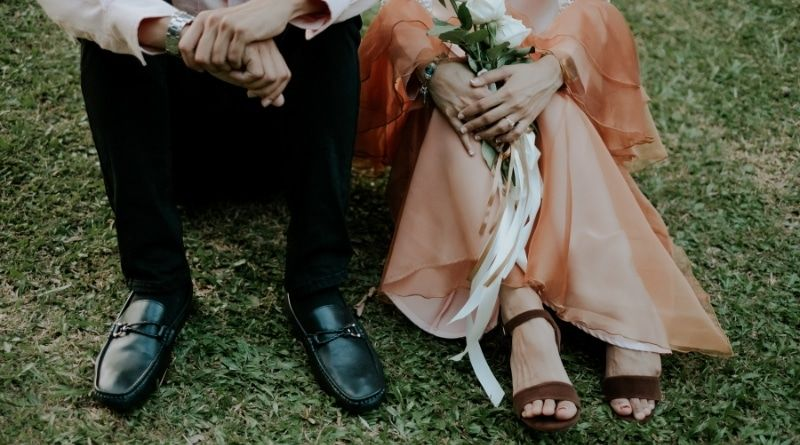
Following every trend is unnecessary. Instead, select trends that complement your existing wardrobe.
Examples include:
- Oversized shirts
- Relaxed-fit trousers
- Layered outfits
- Minimalist sneakers
- Sustainable fashion pieces
Balance trendy items with timeless classics for long-term style success.
Step 6: Accessorize Smartly
Accessories complete an outfit.
Popular modern accessories include:
- Watches
- Sunglasses
- Belts
- Minimal jewelry
- Crossbody bags
- Caps
The goal is to enhance the outfit without overwhelming it.
Step 7: Invest in Quality Over Quantity
Buying fewer high-quality pieces often provides better value than purchasing many low-quality items.
Quality clothing generally:
- Lasts longer
- Fits better
- Maintains appearance
- Provides greater comfort
This approach also supports sustainable fashion practices.
Step 8: Develop Confidence
Fashion is not only about clothing. Confidence plays a major role in how outfits are perceived.
Maintain:
- Good posture
- Positive body language
- Proper grooming habits
- Consistent personal care
Confidence helps any outfit look better.
Benefits of Modern Fashion Styles
Modern fashion styles offer numerous advantages:
- Improve self-confidence
- Enhance personal appearance
- Support professional success
- Encourage creativity
- Allow self-expression
- Provide wardrobe versatility
- Help individuals stay current with trends
- Promote social confidence
- Create memorable impressions
- Increase styling flexibility
People who understand modern fashion often find it easier to adapt to different occasions and environments.
Disadvantages / Risks
Despite many benefits, modern fashion styles also have some challenges:
- Trends change quickly
- Fashion can become expensive
- Social pressure may influence choices
- Fast fashion can create environmental concerns
- Trend obsession may reduce individuality
- Poor purchasing decisions can waste money
- Overconsumption may lead to wardrobe clutter
- Constant trend tracking can become stressful
Understanding these risks helps maintain a balanced approach to fashion.
Common Mistakes to Avoid
Many beginners make mistakes when exploring modern fashion styles.
One common mistake is blindly copying influencers without considering personal preferences. What looks good on one person may not suit another.
Another mistake is focusing solely on trends while ignoring wardrobe basics. Fashionable items work best when paired with versatile essentials.
Many individuals also purchase clothing without checking fit. Proper tailoring often makes affordable clothing look more expensive.
Ignoring grooming is another frequent error. Stylish outfits cannot fully compensate for poor personal presentation.
Some people over-accessorize their outfits. While accessories are valuable, too many can make a look appear cluttered.
Lastly, buying low-quality clothing simply because it is inexpensive often leads to disappointment. Durable and well-made pieces typically provide better long-term value.
FAQs
1. What are the most popular modern fashion styles today?
Some of the most popular modern fashion styles include streetwear, smart casual, athleisure, minimalist fashion, sustainable fashion, and luxury casual outfits. These styles emphasize comfort, versatility, and individuality.
2. How can beginners improve their fashion sense?
Beginners can improve their fashion sense by learning basic style principles, understanding color coordination, focusing on fit, building a wardrobe of essentials, and gradually experimenting with trends.
3. Do modern fashion styles require expensive clothing?
No. Modern fashion styles focus more on fit, coordination, and confidence than price. Affordable clothing can look stylish when selected carefully and worn properly.
4. How often should I update my wardrobe?
Updating a wardrobe depends on personal needs and lifestyle. Instead of replacing everything regularly, consider adding a few modern pieces each season while keeping timeless essentials.
5. Can modern fashion styles work for all age groups?
Yes. Modern fashion styles are highly adaptable. People of all ages can incorporate contemporary trends while maintaining a look that suits their personality and lifestyle.
6. What colors are best for modern fashion?
Neutral colors such as black, white, gray, navy, beige, and olive are excellent foundations. These colors are versatile and easy to combine with trendier shades.
7. Is sustainable fashion part of modern fashion styles?
Absolutely. Sustainable fashion has become an important part of modern fashion styles. Many consumers now prioritize ethical production, durable clothing, and environmentally responsible purchasing habits.
8. How important are accessories in modern fashion?
Accessories are important because they add personality and polish to an outfit. However, they should complement the clothing rather than dominate the overall look.
Expert Tips & Bonus Points
Fashion experts often recommend focusing on consistency rather than constantly chasing trends. A well-defined personal style creates a stronger impression than an outfit built entirely around temporary fashion movements.
Additional expert tips include:
- Take inspiration instead of copying others
- Keep your wardrobe organized
- Prioritize comfort alongside style
- Learn basic clothing care techniques
- Invest in quality footwear
- Choose versatile colors
- Maintain excellent grooming habits
- Experiment gradually with new trends
- Photograph successful outfits for future reference
- Build a signature style element
Another useful strategy is creating a capsule wardrobe. This involves selecting versatile clothing pieces that work together in multiple combinations, making dressing easier while maintaining a stylish appearance.
Fashion confidence grows with practice. The more you experiment and learn, the easier it becomes to identify what works best for you.
Conclusion
Modern fashion styles have transformed the way people express themselves through clothing. Rather than following rigid rules, today’s fashion landscape encourages individuality, creativity, and confidence. From minimalist outfits and smart casual looks to streetwear and sustainable fashion, there are countless ways to create a wardrobe that reflects personal preferences and lifestyle needs.
Understanding modern fashion styles begins with mastering the basics. Proper fit, quality clothing, color coordination, and thoughtful accessorizing remain essential regardless of changing trends. While it is tempting to follow every new fashion movement, long-term style success comes from building a strong foundation and selectively incorporating contemporary elements.
Fashion should enhance confidence rather than create pressure. By focusing on comfort, authenticity, and personal expression, anyone can develop a style that feels natural and appealing. Beginners should start with versatile wardrobe essentials and gradually explore different trends to discover what works best for them.
Ultimately, modern fashion styles are about more than appearance. They serve as a powerful form of self-expression that influences confidence, communication, and personal identity. With the right approach, anyone can build a fashionable wardrobe that remains stylish, practical, and uniquely their own while adapting to the ever-changing world of fashion.