
Introduction
Fashion is not only about wearing expensive clothes or following runway trends. It is also about feeling comfortable, confident, and stylish in everyday life. This is where casual dress styles become important. They offer the perfect balance between comfort and fashion, allowing people to look attractive without appearing overdressed.
Over the years, casual fashion has evolved significantly. What was once considered simple everyday clothing has become a major part of modern style. Today, casual dress styles include a wide variety of outfits suitable for work, shopping, social gatherings, travel, and daily activities. The flexibility of casual fashion makes it one of the most popular clothing choices worldwide.
Whether you are a student, a working professional, or someone who simply enjoys dressing comfortably, understanding casual dress styles can help you create outfits that look polished and fashionable. The right combination of clothing, colors, accessories, and footwear can transform even the simplest outfit into something impressive.
This guide explores everything you need to know about casual dress styles. From understanding their importance to learning how to build stylish outfits, you will discover practical tips that can improve your everyday appearance. By the end of this guide, you will have a better understanding of how to dress casually while maintaining a fashionable and confident look.
What is Casual Dress Styles?
Casual dress styles refer to clothing choices designed for comfort, versatility, and everyday wear. Unlike formal or business attire, casual fashion focuses on relaxed clothing while still maintaining a neat and stylish appearance.
Casual outfits can vary depending on personal preferences, lifestyle, and occasion. For example, a simple pair of jeans and a t-shirt is considered casual. Similarly, a casual dress paired with sneakers can create a comfortable yet fashionable look.
Some common elements of casual dress styles include:
- T-shirts
- Polo shirts
- Jeans
- Chinos
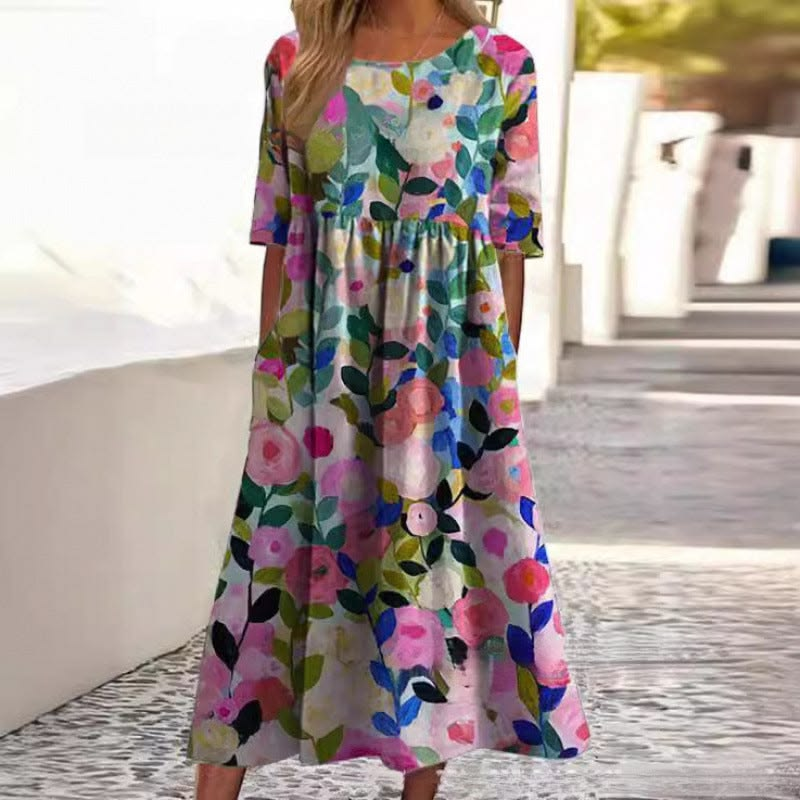
- Casual dresses
- Sneakers
- Hoodies
- Cardigans
- Denim jackets
- Casual skirts
The key feature of casual fashion is flexibility. It allows individuals to express their personality while staying comfortable throughout the day.
Why is Casual Dress Styles Important?
Casual fashion plays a significant role in modern lifestyles. People spend much of their time in environments where comfort is essential, making casual clothing a practical choice.
Enhances Comfort
One of the biggest advantages of casual dress styles is comfort. Soft fabrics and relaxed fits make it easier to move freely and stay comfortable during daily activities.
Builds Confidence
When people feel comfortable in their clothing, they often feel more confident. Well-chosen casual outfits can improve self-esteem and create a positive impression.
Suitable for Multiple Occasions
Casual fashion works in various situations, including:
- Shopping trips
- Family gatherings
- Casual work environments
- Weekend outings
- Travel experiences
- Coffee dates
Reflects Personal Style

Casual clothing provides more freedom to experiment with colors, patterns, and accessories. This allows individuals to express their unique fashion preferences.
Saves Time and Money
Casual wardrobes are often easier to maintain and more affordable than formal wardrobes. Many casual pieces can be mixed and matched to create multiple outfits.
Detailed Step-by-Step Guide
Step 1: Understand Your Lifestyle
Before building a casual wardrobe, consider your daily activities and needs.
Ask yourself:
- How active am I during the day?
- What type of environment do I spend most of my time in?
- Which clothing items make me feel comfortable?
Understanding your lifestyle helps you select practical and useful clothing pieces.
Step 2: Build a Strong Foundation
Every stylish wardrobe begins with essential basics.
For Men:
- Plain t-shirts
- Polo shirts
- Dark jeans
- Chinos
- Casual sneakers
- Denim jackets
For Women:
- Casual dresses
- Basic tops
- Comfortable jeans
- Leggings
- Cardigans
- White sneakers
These pieces form the foundation of numerous casual dress styles.
Step 3: Choose Comfortable Fabrics
Fabric selection greatly influences comfort and appearance.
Popular casual fabrics include:
- Cotton
- Linen
- Denim
- Jersey
- Chambray
- Knit materials
Cotton remains one of the most preferred choices because it is breathable, durable, and easy to maintain.
Step 4: Focus on Proper Fit
Even the most expensive outfit can look unattractive if it does not fit properly.
When selecting clothing:
- Avoid excessively tight garments.
- Stay away from overly loose clothing.
- Ensure sleeves and hemlines fit correctly.
- Select sizes that complement your body shape.
A proper fit creates a cleaner and more polished appearance.
Step 5: Master Color Coordination
Color combinations can significantly impact the overall look of an outfit.
Popular combinations include:
- White and blue
- Black and gray
- Beige and navy
- Olive and white
- Denim and neutral shades
Beginners should start with neutral colors because they are easy to mix and match.
Step 6: Layer Your Outfits
Layering adds depth and sophistication to casual dress styles.
Examples include:
- T-shirt with a denim jacket
- Polo shirt with a lightweight cardigan
- Casual dress with a blazer
- Hoodie under a bomber jacket
Layering is especially useful during seasonal transitions.
Step 7: Select Appropriate Footwear
Footwear can elevate or weaken an outfit.
Popular casual footwear options include:
- White sneakers
- Loafers
- Casual boots
- Canvas shoes
- Ballet flats
Choose shoes that complement both your outfit and lifestyle.
Step 8: Use Accessories Wisely
Accessories should enhance an outfit without overwhelming it.
Common casual accessories include:
- Watches
- Sunglasses
- Simple jewelry
- Scarves
- Crossbody bags
- Backpacks
The goal is to add style while maintaining simplicity.
Step 9: Adapt to Seasonal Changes
Fashion should evolve with the weather.
Spring
- Light jackets
- Floral dresses
- Cotton shirts
Summer
- Linen clothing
- Shorts
- Breathable fabrics
Autumn
- Layered outfits
- Neutral tones
- Lightweight sweaters
Winter
- Wool coats
- Knitwear
- Boots
Seasonal adjustments keep casual outfits both comfortable and practical.
Step 10: Develop Signature Looks
A signature look helps create a recognizable personal style.
Examples include:
- Minimalist neutral outfits
- Sporty casual combinations
- Smart casual ensembles
- Vintage-inspired fashion
- Relaxed streetwear looks
Consistency helps strengthen your personal fashion identity.
Benefits of Casual Dress Styles
Casual dress styles offer numerous advantages that appeal to people of all ages and lifestyles.
- Maximum comfort throughout the day
- Greater freedom of movement
- Easy outfit planning
- Versatile clothing combinations
- Budget-friendly wardrobe options
- Suitable for various occasions
- Encourages self-expression
- Reduces fashion-related stress
- Supports practical everyday living
- Allows seasonal adaptability
- Easy maintenance and care
- Enhances confidence through comfort
Disadvantages / Risks
While casual fashion offers many benefits, there are also some potential drawbacks.
- Some outfits may appear too informal.
- Poor styling can look careless.
- Trendy pieces may become outdated quickly.
- Overly casual clothing may not suit professional settings.
- Inappropriate fit can reduce overall appearance.
- Excessive reliance on basics can create repetitive looks.
- Fashion trends may encourage unnecessary purchases.
- Casual attire may not always meet event dress codes.
Understanding these limitations helps individuals make smarter wardrobe decisions.
Common Mistakes to Avoid
Many people unintentionally make fashion mistakes that reduce the effectiveness of their casual dress styles.
Wearing Poorly Fitted Clothing
Fit remains one of the most important aspects of fashion. Clothing that is too tight or too loose can negatively affect appearance.
Ignoring Footwear
Even a well-styled outfit can lose its appeal when paired with inappropriate shoes. Always consider footwear as part of the overall look.
Overusing Trends
Fashion trends come and go. Building a wardrobe entirely around trends can result in a short-lived style.
Choosing Too Many Colors
Wearing too many bright colors at once can create a cluttered appearance. Balance is important.
Neglecting Grooming
Good grooming complements casual fashion. Clean hair, neat clothing, and proper hygiene contribute significantly to overall style.
Wearing Wrinkled Clothing
Casual does not mean messy. Wrinkled garments can make even expensive clothing look unattractive.
Overaccessorizing
Too many accessories can overwhelm an outfit. Simplicity often creates a stronger impression.
Ignoring Personal Body Type
Not every trend works for everyone. Understanding your body shape helps you choose clothing that enhances your natural features.
Copying Others Completely
Fashion inspiration is helpful, but blindly copying someone else’s style may not reflect your personality.
Forgetting Comfort
Style should never come at the expense of comfort. The best casual outfits combine both elements effectively.
FAQs
1. What are the most popular casual dress styles today?
Some of the most popular casual dress styles include smart casual, minimalist fashion, streetwear, athleisure, classic casual, and relaxed everyday wear. These styles focus on comfort while maintaining a fashionable appearance. Many people combine elements from different styles to create outfits that suit their personalities and lifestyles.
2. How can I make a casual outfit look more stylish?
You can improve a casual outfit by paying attention to fit, color coordination, layering, and accessories. For example, pairing a simple t-shirt with a well-fitted jacket and clean sneakers instantly creates a more polished appearance. Small details often make a significant difference.
3. Can casual dress styles be worn at work?
Yes, many modern workplaces allow casual or business-casual attire. However, it is important to understand the company dress code. A smart casual outfit featuring chinos, a polo shirt, and loafers can often be appropriate for professional environments while still providing comfort.
4. What colors work best for casual fashion?
Neutral colors are generally the easiest to style. Popular choices include black, white, gray, navy, beige, and olive. These colors can be mixed and matched easily while creating clean and sophisticated outfits. Brighter colors can also be added as accent pieces.
5. Are jeans considered part of casual dress styles?
Absolutely. Jeans are one of the most versatile pieces in casual fashion. They can be paired with t-shirts, sweaters, jackets, and various types of footwear. Dark-wash jeans often provide a more polished appearance, while lighter washes create a relaxed look.
6. What shoes are best for casual outfits?
The best shoes depend on personal style and the occasion. White sneakers remain one of the most popular choices because they pair well with almost everything. Loafers, casual boots, canvas shoes, and flats are also excellent options for completing casual outfits.
7. How many clothing items should a basic casual wardrobe include?
A practical casual wardrobe does not need to be large. Many people can create dozens of outfits with a collection of essentials, including:
- 5–7 basic tops
- 2–3 pairs of jeans
- 2 pairs of chinos or trousers
- 2 jackets
- 2–3 pairs of shoes
- A few accessories
Quality is often more important than quantity.
8. Can casual dress styles work for all ages?
Yes. One of the greatest strengths of casual fashion is its adaptability. Teenagers, young adults, professionals, and older individuals can all enjoy casual dress styles. The key is selecting clothing that reflects personal preferences while remaining age-appropriate and comfortable.
Expert Tips & Bonus Points
Fashion experts often emphasize that successful casual dress styles are built on consistency rather than complexity. The following tips can help elevate your everyday wardrobe.
Invest in Quality Basics
A high-quality white t-shirt, a durable pair of jeans, and a versatile jacket can serve as the foundation of countless outfits. Better-quality basics typically last longer and maintain their appearance over time.
Prioritize Fit Over Brand Names
Many people focus heavily on labels and designer names. However, a properly fitted affordable outfit often looks better than expensive clothing that fits poorly.
Create a Capsule Wardrobe
A capsule wardrobe consists of versatile pieces that work well together. This approach simplifies outfit selection and reduces unnecessary spending.
Essential capsule wardrobe items may include:
- White t-shirts
- Neutral sweaters
- Dark jeans
- Chinos
- Casual jackets
- White sneakers
Learn Basic Color Theory
Understanding color combinations can dramatically improve your outfits. Neutral shades provide flexibility, while accent colors add personality and visual interest.
Keep Clothing Well Maintained
Proper clothing care extends the life of your wardrobe.
Important maintenance habits include:
- Washing garments according to instructions
- Storing clothes properly
- Ironing when necessary
- Replacing worn-out items
- Cleaning shoes regularly
Dress for the Occasion
Although casual dress styles are versatile, context still matters. A casual outfit for a coffee shop may differ from one worn at a family celebration or workplace.
Build Confidence Through Simplicity
Many stylish individuals rely on simple combinations rather than complicated outfits. Confidence often comes from wearing clothing that feels natural and comfortable.
Experiment Gradually
Fashion is a personal journey. Try new colors, patterns, and accessories slowly until you discover combinations that match your personality and preferences.
Focus on Balance
A balanced outfit usually includes:
- Comfortable clothing
- Appropriate colors
- Well-chosen footwear
- Minimal accessories
- Proper fit
When these elements work together, even simple outfits can appear sophisticated.
Develop Your Personal Style
Instead of chasing every trend, focus on understanding what works best for you. Personal style evolves over time and becomes stronger through experimentation and self-awareness.
Conclusion
Casual dress styles have become an essential part of modern fashion because they combine comfort, practicality, and style in a way that suits everyday life. Unlike formal clothing, casual fashion allows individuals to express their personalities while enjoying freedom of movement and all-day comfort. Whether you are heading to work, meeting friends, traveling, or simply running errands, the right casual outfit can help you look polished without feeling overdressed.
Building a successful casual wardrobe starts with understanding your lifestyle, choosing quality basics, focusing on proper fit, and learning how to coordinate colors and accessories effectively. Small improvements such as selecting the right footwear, layering thoughtfully, and maintaining your clothing can significantly enhance your overall appearance. At the same time, avoiding common mistakes like poor fit, excessive trends, and overaccessorizing helps maintain a clean and stylish look.
The beauty of casual dress styles lies in their versatility. They can be adapted to different seasons, occasions, age groups, and personal preferences. From minimalist wardrobes to smart casual ensembles, there are countless ways to create outfits that reflect individual taste while remaining practical and comfortable.
Ultimately, great casual fashion is not about wearing the most expensive clothes. It is about understanding what works for you, feeling confident in your choices, and creating a wardrobe that supports your daily life. By applying the principles and tips discussed in this guide, anyone can develop stylish casual dress styles that look modern, comfortable, and effortlessly fashionable.