
Introduction
Personal styling is more than simply choosing clothes. It is the process of creating a look that reflects your personality, lifestyle, and goals. The way you dress can influence how others perceive you and how confident you feel in daily life. Whether you are attending work meetings, social gatherings, or casual outings, your style speaks before you say a word.
Many people believe that fashion is only for celebrities or people with large budgets. However, personal styling is accessible to everyone. It focuses on understanding what works best for your body shape, preferences, and daily needs. With the right approach, anyone can build a wardrobe that looks polished and practical.
A strong personal style helps eliminate confusion when getting dressed. Instead of wasting time deciding what to wear, you can confidently select outfits that suit the occasion. This not only saves time but also reduces unnecessary spending on clothing that remains unused.
In this guide, you will learn the fundamentals of personal styling, why it matters, practical steps to develop your own style, common mistakes to avoid, and expert tips that can help you look your best every day.
What is Personal Styling?
Personal styling is the art of selecting clothing, accessories, footwear, and grooming choices that complement an individual’s appearance and personality.
Unlike following fashion trends blindly, personal styling focuses on creating a unique look that matches your lifestyle. A personal style should feel comfortable, authentic, and suitable for your daily activities.
For example, a corporate professional may prefer tailored outfits and neutral colors, while a creative designer might enjoy bold colors and statement pieces. Both approaches are examples of effective personal styling because they align with the wearer’s identity.
The goal is not to copy others but to develop a style that represents who you are.
Why is Personal Styling Important?
Personal styling offers benefits that extend beyond appearance.
First, it boosts self-confidence. When you know you look good, you naturally feel more comfortable in social and professional settings.
Second, it helps create a positive first impression. People often form opinions within seconds of meeting someone, and clothing plays a major role in that process.
Third, personal styling improves wardrobe efficiency. Instead of owning many random items, you create a collection of pieces that work together.
Additionally, good styling can support career growth. A polished appearance often communicates professionalism, reliability, and attention to detail.
Most importantly, personal styling allows you to express your individuality without saying a single word.
Detailed Step-by-Step Guide
Step 1: Understand Your Lifestyle
Begin by evaluating your daily routine.
Ask yourself where you spend most of your time. Do you work in an office, study at a university, or work remotely? Your wardrobe should reflect your real lifestyle rather than an idealized version of it.
For instance, someone who works from home may need comfortable yet presentable outfits rather than formal business attire.
Step 2: Identify Your Style Preferences
Collect inspiration from magazines, fashion blogs, social media platforms, or public figures whose style you admire.
Look for recurring themes such as colors, patterns, silhouettes, and fabrics. These repeated preferences can help define your personal style direction.
Create a style mood board to organize your ideas visually.
Step 3: Know Your Body Shape
Understanding your body shape is a key part of personal styling.
Different cuts and silhouettes flatter different body types. The objective is not to hide your body but to highlight your best features.
Pay attention to garment fit. Well-fitted clothing often looks more stylish than expensive clothing with poor tailoring.
Step 4: Build a Versatile Wardrobe
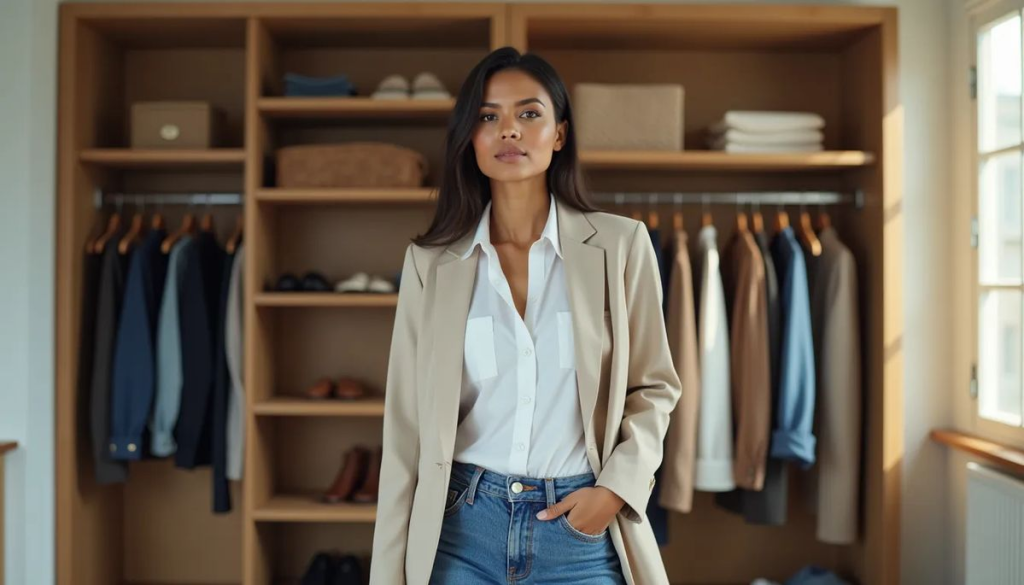
Focus on essential wardrobe pieces that can be mixed and matched easily.
Examples include:
- White shirt
- Dark jeans
- Tailored blazer
- Neutral trousers
- Basic T-shirts
- Comfortable shoes
- Classic sneakers
These foundational items create countless outfit combinations.
Step 5: Choose a Color Palette
Selecting a consistent color palette makes outfit coordination easier.
Neutral shades such as black, white, gray, navy, and beige pair well with most items. You can then add accent colors that complement your complexion and personal taste.
A coordinated wardrobe reduces shopping mistakes and improves versatility.
Step 6: Pay Attention to Accessories
Accessories can transform even the simplest outfit.
Consider adding:
- Watches
- Belts
- Scarves
- Sunglasses
- Jewelry
- Handbags
The right accessories add personality without overwhelming your look.
Step 7: Focus on Grooming
Personal styling is not limited to clothing.
Haircare, skincare, and overall grooming contribute significantly to your appearance. Clean, well-maintained grooming habits complete a polished style.
Step 8: Dress for the Occasion
Always consider the setting before choosing an outfit.
A business meeting requires a different approach than a casual weekend gathering. Adapting your style appropriately demonstrates awareness and professionalism.
Step 9: Experiment and Refine
Style development is an ongoing process.
Try different combinations, evaluate what works, and learn from experience. Over time, your personal styling choices will become more refined and authentic.
Benefits of Personal Styling
- Increases confidence and self-esteem
- Creates a strong first impression
- Saves time when selecting outfits
- Improves wardrobe organization
- Encourages smarter shopping decisions
- Helps express personality effectively
- Enhances professional appearance
- Reduces unnecessary clothing purchases
- Promotes better grooming habits
- Makes everyday dressing easier and more enjoyable
Disadvantages / Risks
- Can become expensive if approached without a budget
- Following trends excessively may lead to wasteful spending
- Style experimentation may result in occasional fashion mistakes
- Social pressure can influence personal choices
- Constant wardrobe updates may be time-consuming
- Overemphasis on appearance can distract from other priorities
Common Mistakes to Avoid
One common mistake is purchasing clothing simply because it is trendy. Trends come and go, but personal style should remain authentic.
Another mistake is ignoring fit. Even premium clothing can look unflattering if it does not fit properly.
Many people also buy items without considering existing wardrobe pieces. As a result, clothes remain unworn because they do not match anything else.
Over-accessorizing is another issue. Too many accessories can make an outfit appear cluttered rather than stylish.
Ignoring comfort is equally problematic. Clothing should support your daily activities while maintaining a polished appearance.
Finally, avoid comparing your style to others constantly. Personal styling should reflect your own identity and preferences.
FAQs
1. What is the main purpose of personal styling?
The main purpose of personal styling is to create a wardrobe and appearance that reflect your personality, lifestyle, and goals while enhancing confidence and comfort.
2. Do I need expensive clothes for effective personal styling?
No. Personal styling focuses on fit, coordination, and thoughtful selection rather than price. Affordable clothing can look excellent when styled properly.
3. How long does it take to develop a personal style?
The process varies for each individual. Some people discover their style quickly, while others refine it gradually through experimentation and experience.
4. Can personal styling improve professional opportunities?
Yes. A polished appearance can positively influence first impressions and help communicate professionalism in workplace environments.
5. How often should I update my wardrobe?
Review your wardrobe seasonally. Replace worn items and add new pieces only when they align with your style and practical needs.
6. What are wardrobe essentials?
Wardrobe essentials are versatile items that work with multiple outfits. Examples include neutral shirts, dark jeans, blazers, quality shoes, and basic T-shirts.
Expert Tips & Bonus Points
Start with quality basics before investing in statement pieces. A strong foundation makes styling much easier.
Take photographs of successful outfits. This creates a personal reference library for future inspiration.
Consider tailoring. Small adjustments can dramatically improve the appearance of clothing.
Follow fashion inspiration selectively rather than copying every trend. Adapt ideas to suit your personal style.
Maintain your clothing properly through correct washing, storage, and care practices. Well-maintained garments last longer and look better.
Use the one-in, one-out rule. When purchasing a new item, consider removing an older piece to prevent wardrobe clutter.
Invest in comfortable footwear. Shoes influence both appearance and confidence throughout the day.
Remember that confidence is the most important accessory. Even the best outfit loses impact when worn without self-assurance.
Conclusion
Personal styling is a valuable skill that helps individuals present themselves confidently and authentically. It goes beyond fashion trends by focusing on clothing and grooming choices that align with your personality, lifestyle, and goals. When approached thoughtfully, personal styling can simplify daily dressing decisions while improving overall confidence.
Developing your style does not require a large budget or an extensive wardrobe. Instead, success comes from understanding your preferences, choosing flattering fits, building versatile clothing collections, and paying attention to details such as color coordination and accessories. Small adjustments often create significant improvements in appearance.
As you continue exploring personal styling, remember that style is a personal journey rather than a fixed destination. Your preferences may evolve over time, and that is completely natural. The key is to remain authentic while making choices that support your comfort and confidence.
By following the strategies outlined in this guide, you can create a wardrobe that works efficiently, reflects your individuality, and helps you make positive impressions in every area of life. Personal styling is ultimately about feeling comfortable in your own skin and presenting the best version of yourself to the world.