
Introduction
Fashion is more than just clothing. It is a way to express personality, confidence, and creativity. Whether you prefer casual outfits, formal wear, or trendy styles, understanding fashion can help you make better wardrobe choices and feel more comfortable in your appearance.
Many people believe that fashion is only for celebrities or models. However, fashion is for everyone. A good sense of style does not require expensive clothing or designer brands. Instead, it involves understanding what suits your body type, lifestyle, and personal preferences.
This fashion guide is designed for beginners and intermediate readers who want to improve their style and build a practical wardrobe. From understanding basic fashion principles to learning how to create stylish outfits, this guide covers everything you need to know.
By following the tips and strategies in this article, you can develop a wardrobe that looks great, saves money, and helps you feel confident in every situation.
What is Fashion Guide?
A fashion guide is a structured resource that helps people understand clothing, styling, fashion trends, wardrobe management, and personal appearance. It provides practical advice on selecting outfits, matching colors, choosing accessories, and creating a style that reflects individual personality.
A good fashion guide focuses on both timeless fashion principles and current trends. It teaches people how to dress appropriately for different occasions while maintaining comfort and confidence.
Fashion is not about copying others. Instead, it is about discovering what works best for you and learning how to present yourself effectively through clothing and accessories.
Why is Fashion Guide Important?
Understanding fashion offers several advantages beyond appearance.
First, it helps build confidence. When you wear clothes that fit well and suit your personality, you naturally feel better about yourself.
Second, fashion improves first impressions. People often form opinions within seconds of meeting someone. Appropriate and stylish clothing can create a positive impact.
Third, a fashion guide helps you save money. Instead of buying random items, you learn how to build a wardrobe with versatile pieces that work together.
Additionally, fashion knowledge reduces shopping mistakes and helps you make smarter purchasing decisions.
Finally, understanding fashion allows you to express your individuality while staying comfortable and practical.
Detailed Step-by-Step Guide
Step 1: Understand Your Body Type
The foundation of good style begins with understanding your body shape.
Different body types benefit from different clothing cuts and silhouettes. For example, fitted clothing may enhance certain body shapes, while relaxed styles may work better for others.
Focus on clothes that create balance and highlight your best features rather than following every trend.
Step 2: Identify Your Personal Style
Your personal style should reflect your lifestyle and preferences.
Ask yourself:
- Do you prefer casual outfits?
- Do you enjoy modern trends?
- Do you like classic and timeless clothing?
- Do you need professional workwear?
Understanding these preferences helps you create a consistent wardrobe.
Step 3: Build a Strong Wardrobe Foundation
Every wardrobe should include essential pieces that can be mixed and matched.
Examples include:
- White shirts
- Black trousers
- Blue jeans
- Neutral jackets
- Comfortable shoes
- Basic t-shirts
These items serve as the foundation for countless outfit combinations.
Step 4: Learn Color Coordination
Color coordination is an important fashion skill.
Neutral colors such as black, white, gray, navy, and beige are versatile and easy to combine.
You can then add accent colors to create visual interest without overwhelming your outfit.
A simple rule is to use one or two primary colors and avoid excessive color combinations.
Step 5: Focus on Proper Fit
Even expensive clothing can look unattractive if it does not fit properly.
Pay attention to:
- Shoulder alignment
- Sleeve length
- Trouser length
- Waist fit
- Overall comfort
Well-fitted clothing instantly improves your appearance.
Step 6: Choose Quality Over Quantity
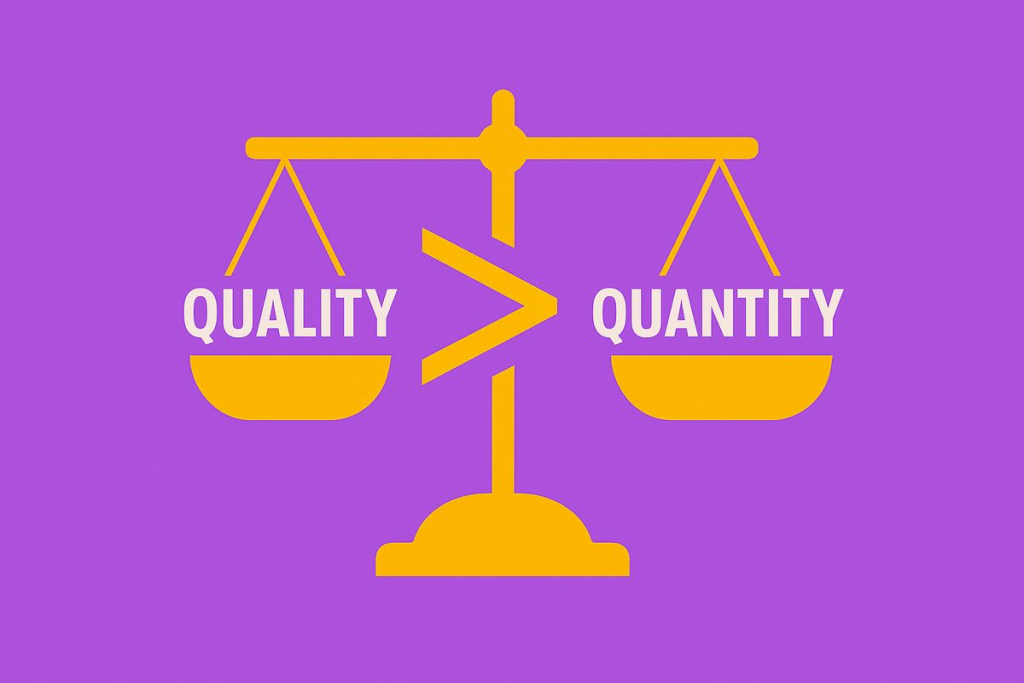
Instead of purchasing many low-quality items, invest in durable clothing that lasts longer.
Quality garments often provide:
- Better comfort
- Improved appearance
- Longer lifespan
- Better value over time
This approach helps create a more sustainable wardrobe.
Step 7: Accessorize Wisely
Accessories complete an outfit.
Popular accessories include:
- Watches
- Belts
- Bags
- Sunglasses
- Scarves
- Jewelry
Avoid over-accessorizing. Select a few pieces that complement your outfit.
Step 8: Stay Updated with Trends
Fashion trends change regularly, but not every trend will suit everyone.
Use trends as inspiration rather than strict rules. Incorporate fashionable elements that align with your personal style.
A balanced approach allows you to remain stylish without constantly replacing your wardrobe.
Benefits of Fashion Guide
A well-structured fashion guide provides many advantages:
- Improves personal confidence
- Enhances first impressions
- Helps develop a unique style
- Saves money through smarter purchases
- Reduces wardrobe clutter
- Makes shopping easier
- Encourages better grooming habits
- Supports professional image building
- Improves outfit coordination
- Increases overall self-expression
Disadvantages / Risks
Although fashion can be beneficial, there are some potential challenges:
- Following trends can become expensive
- Fashion pressure may lead to unnecessary spending
- Impulse purchases can create wardrobe clutter
- Trend-focused shopping may reduce practicality
- Social comparison can affect self-esteem
- Constant trend changes may cause frustration
Awareness of these risks helps maintain a healthy relationship with fashion.
Common Mistakes to Avoid
Many people make fashion mistakes that limit their style potential.
One common mistake is buying clothing solely because it is trendy. Trends come and go, but personal style remains important.
Another mistake is ignoring fit. Properly fitted clothing almost always looks better than expensive but poorly fitting garments.
Many individuals also purchase items without considering wardrobe compatibility. Every new piece should work with existing clothing.
Over-accessorizing is another frequent issue. Too many accessories can make an outfit appear cluttered.
Finally, some people neglect grooming. Even the best outfit benefits from good hygiene and personal care.
FAQs
1. How can beginners improve their fashion sense?
Beginners can start by learning basic color coordination, understanding fit, building a versatile wardrobe, and observing styles they admire. Consistent practice helps develop confidence and fashion awareness.
2. Do I need expensive clothing to look stylish?
No. Style depends more on fit, coordination, cleanliness, and confidence than on price. Affordable clothing can look excellent when chosen carefully.
3. How often should I update my wardrobe?
There is no fixed schedule. Review your wardrobe seasonally and replace worn items when necessary. Focus on quality and practicality rather than constant shopping.
4. What colors are easiest to style?
Neutral colors such as black, white, navy, gray, and beige are the easiest to combine. They provide flexibility and work well in most situations.
5. How can I find my personal style?
Experiment with different looks, save outfit inspirations, and identify clothing that makes you feel comfortable and confident. Over time, patterns will emerge that define your personal style.
6. Are fashion trends important?
Trends can provide inspiration, but they should not control your wardrobe. Choose trends that complement your lifestyle and personal preferences.
Expert Tips & Bonus Points
Fashion professionals often follow several simple principles.
- Prioritize fit before brand names.
- Keep your wardrobe organized.
- Invest in timeless essentials.
- Maintain your clothing properly.
- Use accessories strategically.
- Develop a signature style element.
- Choose comfort alongside appearance.
- Dress appropriately for the occasion.
- Avoid impulse purchases.
- Focus on confidence rather than perfection.
Another valuable tip is to plan outfits in advance. This saves time and reduces decision fatigue, especially during busy mornings.
Creating a capsule wardrobe can also simplify dressing. A capsule wardrobe consists of versatile pieces that work together, allowing numerous outfit combinations with fewer items.
Additionally, pay attention to fabric quality. Materials such as cotton, linen, wool, and quality blends often provide better comfort and durability.
Conclusion
Fashion is a powerful tool for self-expression, confidence, and personal development. While trends and styles may change over time, the core principles of good fashion remain consistent. Understanding fit, color coordination, wardrobe essentials, and personal preferences allows anyone to create stylish and practical outfits.
A successful fashion journey does not require expensive clothing or constant shopping. Instead, it requires thoughtful choices, attention to detail, and a willingness to learn what works best for your lifestyle. By focusing on timeless pieces, quality garments, and proper styling techniques, you can build a wardrobe that remains useful for years.
This fashion guide provides a strong foundation for beginners and intermediate readers who want to improve their appearance and confidence. From identifying your personal style to avoiding common mistakes, every step contributes to a more organized and effective approach to fashion.
Remember that true style comes from confidence and authenticity. Use fashion as a way to express who you are rather than simply following trends. With practice, patience, and smart wardrobe decisions, you can create a look that reflects your personality and helps you feel your best every day.